
Doing Business in the United Arab Emirates
Introduction
The United Arab Emirates (UAE) is a federation of seven emirates located in the Arabian Peninsula, known for its rapid economic growth, modern infrastructure, and business-friendly environment. As one of the most dynamic and diversified economies in the Middle East, the UAE has emerged as a global hub for trade, finance, and tourism. This article provides a comprehensive overview of the key considerations for businesses looking to establish operations in the UAE.
Business Environment
The UAE is widely recognized as one of the most business-friendly countries in the world. The country has a stable political and economic environment, with a strong legal framework that protects the rights of foreign investors. The UAE’s strategic location, modern infrastructure, and efficient logistics network make it an attractive destination for businesses seeking to access the broader Middle East, Africa, and Asia markets.
The UAE’s economy is primarily driven by the oil and gas sector, as well as the growing non-oil sectors, such as aviation, real estate, tourism, and finance. The country has implemented various initiatives to diversify its economy and reduce its reliance on oil revenues, including the development of free trade zones and the promotion of innovation and entrepreneurship.
Business Entities and Registration
Businesses in the UAE can be established in various legal forms, including sole proprietorships, partnerships, limited liability companies (LLCs), and public joint-stock companies. The process of company registration can be completed through the relevant authorities, such as the Department of Economic Development (DED) or the free trade zone authorities.
Free Trade Zones
The UAE has a network of free trade zones, which offer a range of incentives and benefits to businesses, including 100% foreign ownership, exemption from corporate and personal income taxes, and streamlined customs procedures. Some of the most prominent free trade zones in the UAE include Dubai International Financial Centre (DIFC), Jebel Ali Free Zone (JAFZA), and Abu Dhabi Global Market (ADGM).
Currency and Exchange Rates
The official currency of the UAE is the Emirati Dirham (AED), which is pegged to the US Dollar (USD) at a fixed exchange rate of 1 USD = 3.67 AED. The UAE has a stable and well-regulated financial system, with a central bank that oversees the country’s monetary policies and currency exchange.
Import and Export Regulations
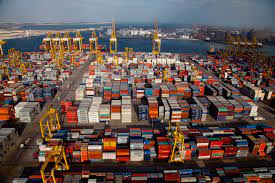
The UAE is a major trading hub, with a diverse range of imported and exported goods. The country’s import and export regulations are governed by the Federal Customs Authority (FCA), which oversees the clearance of goods and the collection of customs duties. Key import and export categories include machinery, transportation equipment, precious metals, and mineral fuels.
Taxation
The UAE has a relatively simple and business-friendly tax system. There is no personal income tax, and corporate income tax is only applicable to oil and gas companies and branches of foreign banks. The UAE also has a value-added tax (VAT) of 5% on most goods and services.
Labor and Employment
The UAE has a diverse and skilled workforce, with a significant number of expatriate workers. Businesses operating in the UAE must comply with the country’s labour laws, which cover areas such as working hours, leave entitlements, and end-of-service benefits.
Conclusion
The United Arab Emirates offers a compelling business environment for companies looking to expand their operations in the Middle East. With its strategic location, modern infrastructure, and business-friendly policies, the UAE has become a hub for global trade and investment. By understanding the key considerations outlined in this article, businesses can navigate the UAE’s regulatory landscape and capitalize on the country’s economic opportunities.
